Welcome to the Millis Animal Hospital vet blog! Here, you’ll find all kinds of interesting and insightful topics about pets and how to keep them healthy. Check it out!

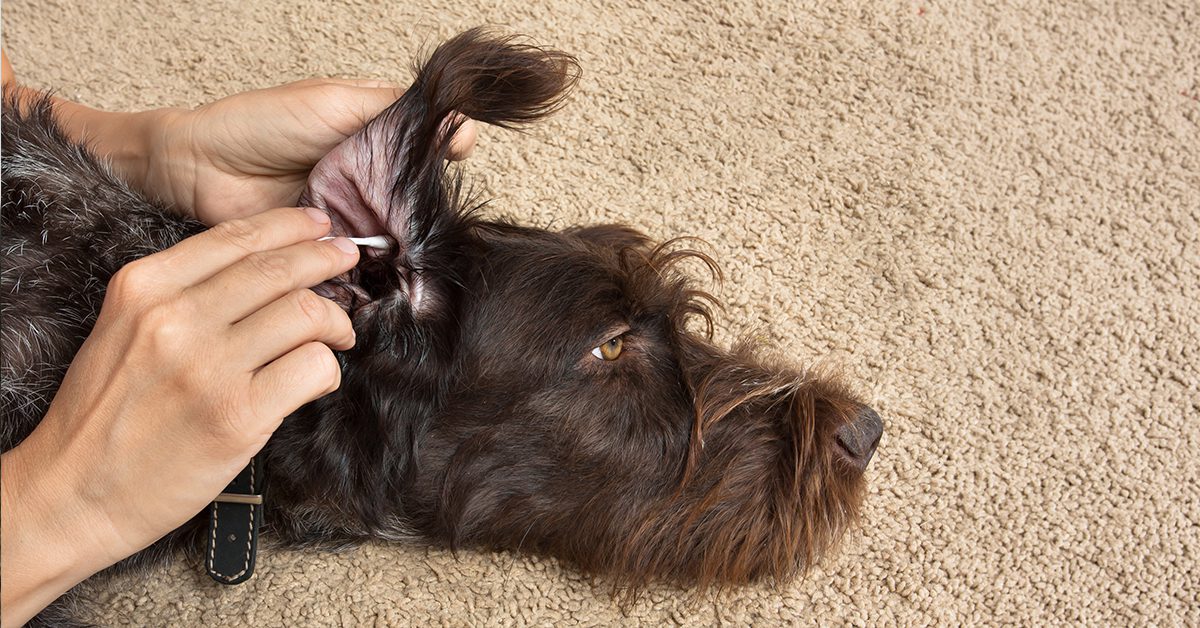
How Do Dogs Get Ear Infections?
Dogs get ear infections when something disrupts the healthy environment inside the ear canal, allowing yeast or bacteria that normally live there in small numbers to multiply. Allergies, trapped moisture, ear mites, foreign objects like grass seeds, and the natural shape of a dog’s ear are among the most common triggers. Ear infections affect a…
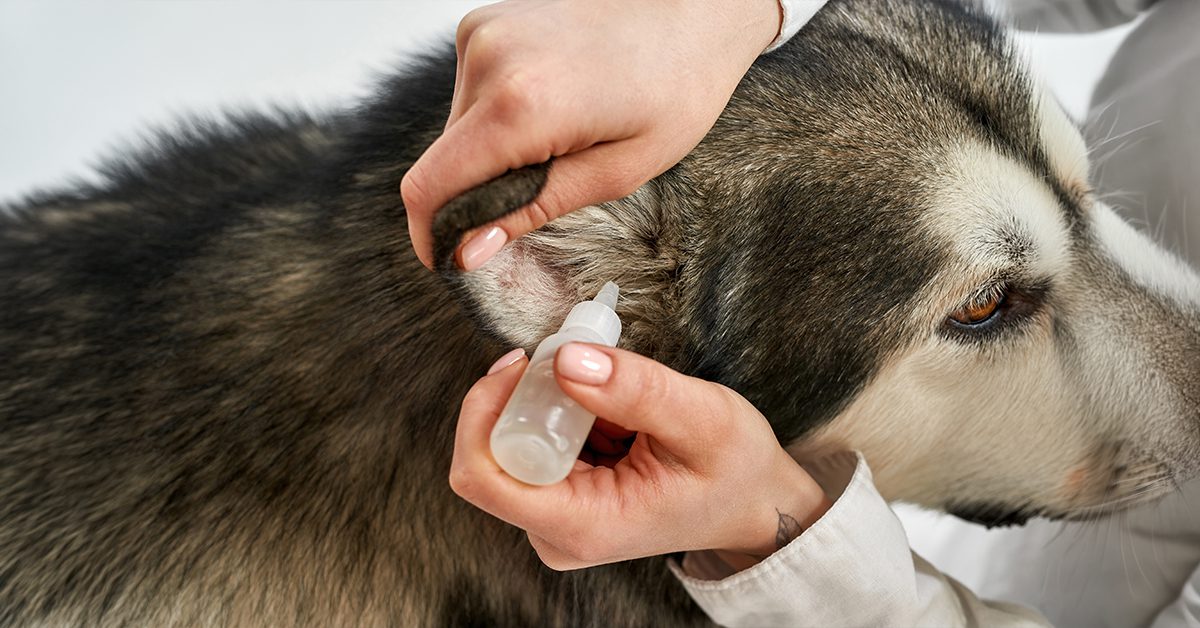
How to Treat a Dog Ear Yeast Infection?
The safest and most effective way to treat a dog ear yeast infection is with a veterinary exam, where your veterinarian confirms the yeast under a microscope, cleans the ear canal, and prescribes an antifungal medication suited to your dog’s ear. Successful treatment also targets whatever allowed the yeast to overgrow, such as allergies or…
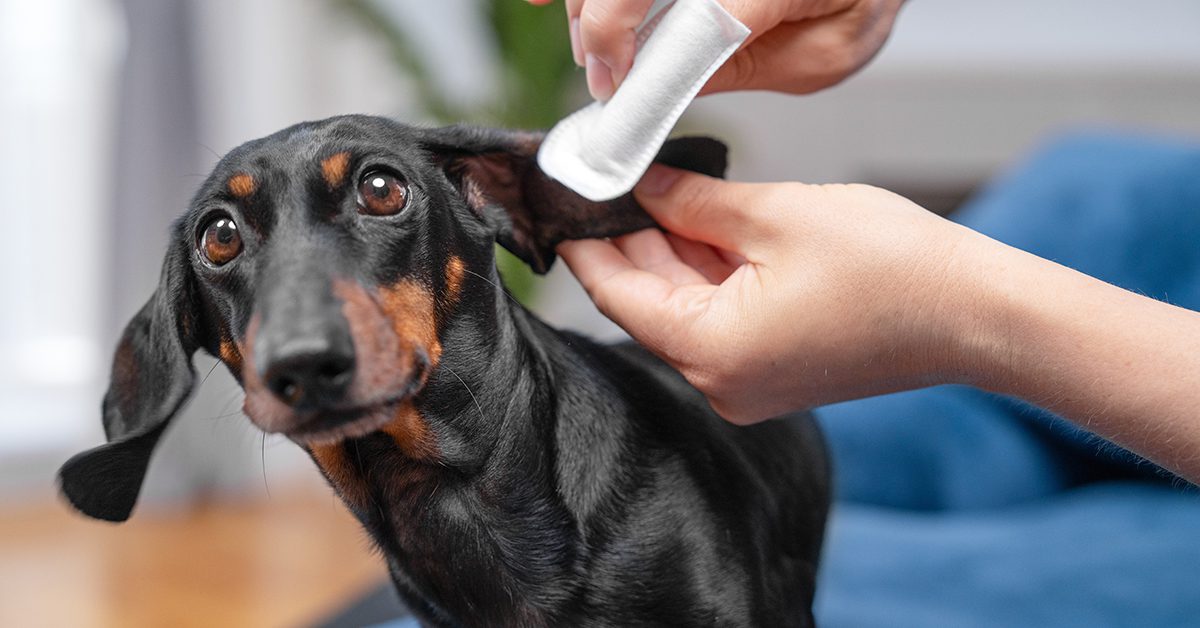
What Are Dog Ear Infection Symptoms?
Common dog ear infection symptoms include frequent head shaking, scratching or pawing at the ears, redness and swelling inside the ear flap, a strong odor, and brown, yellow, or bloody discharge. Many dogs also flinch or pull away when their ears are touched because the infection makes the area tender. Ear infections rank among the…

Signs of Leptospirosis in Dogs
The most common signs of leptospirosis in dogs include fever, lethargy, loss of appetite, vomiting, muscle stiffness, increased thirst and urination, and yellowing of the eyes, gums, or skin. Symptoms usually appear within one to two weeks of exposure and can range from barely noticeable to life-threatening. Because this bacterial infection attacks the kidneys and…
Leptospirosis Vaccine for Dogs: When to Vaccinate and Why It Matters
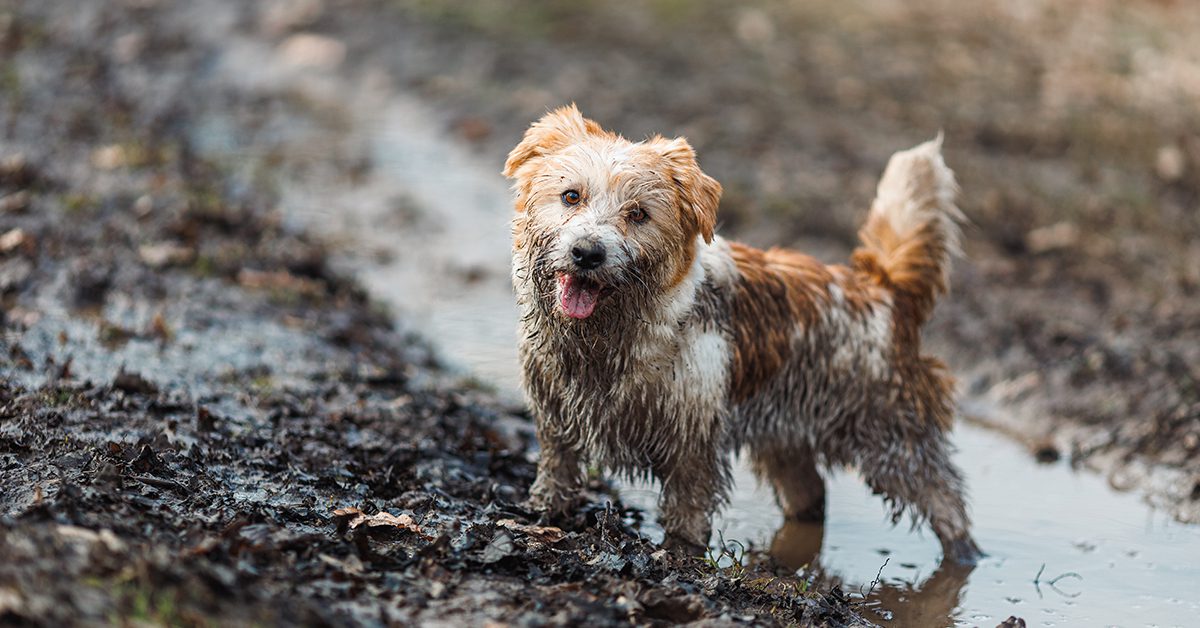
The leptospirosis vaccine for dogs is an injection that teaches your dog’s immune system to recognize and fight Leptospira, the bacteria responsible for a serious infection that targets the kidneys and liver. Most dogs start with two initial doses given a few weeks apart, followed by a booster every year to maintain protection. Leptospirosis spreads…
What Causes Leptospirosis in Dogs?
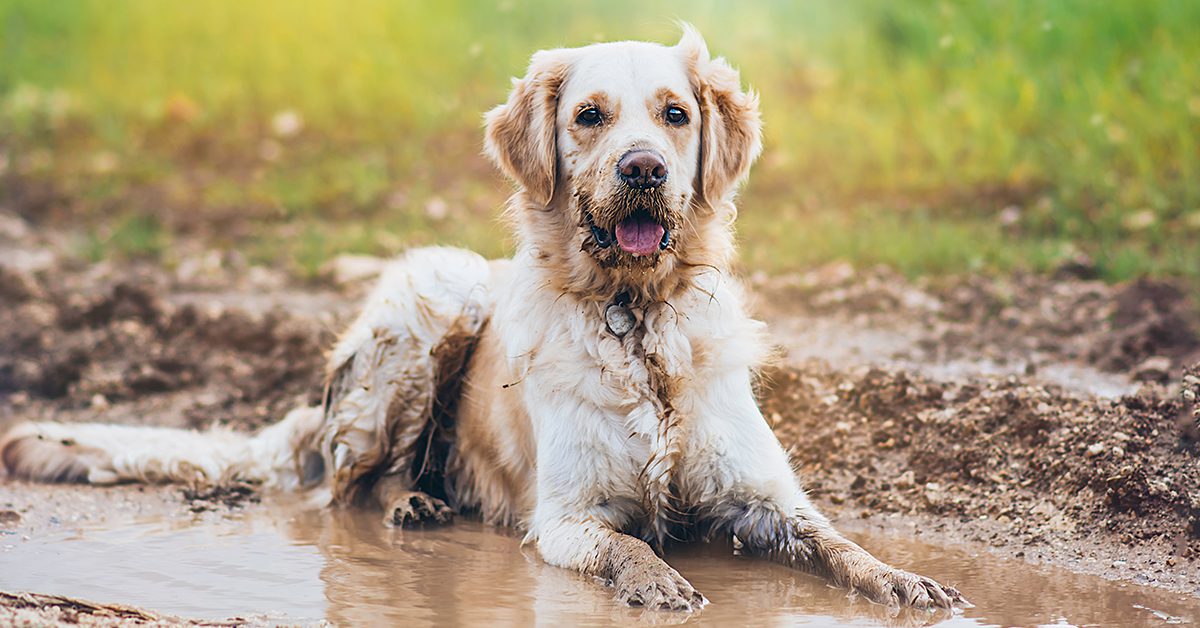
Leptospirosis in dogs is caused by Leptospira, a spiral-shaped bacteria that spreads through the urine of infected animals and survives in water and wet soil. Dogs usually pick it up by drinking from, swimming in, or walking through contaminated puddles, ponds, and mud, which allows the bacteria to enter through the mouth, eyes, nose, or…
Dog Walking in Circles: Is It an Emergency?
Dogs walk in circles for a wide range of reasons, from simple nesting instincts to underlying neurological or ear conditions that need veterinary attention. A dog walking in circles once or twice before lying down is usually normal, but a dog walking in circles repeatedly, especially in one direction, compulsively, or alongside stumbling and disorientation,…
Swollen Dog Paw: Common Causes and When to See a Vet
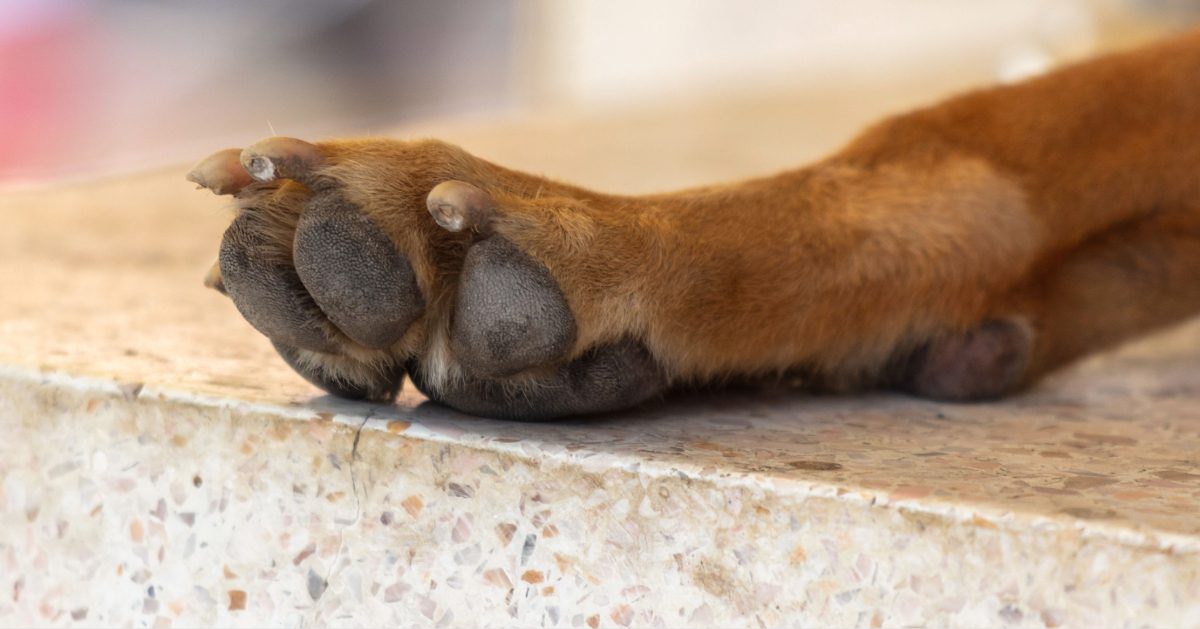
A swollen dog paw can show up for all sorts of reasons, from a minor splinter to an infection or an allergic reaction, and the right response depends heavily on what’s actually causing it. Because the paw is made up of small bones, pads, and soft tissue packed closely together, even a minor injury can…
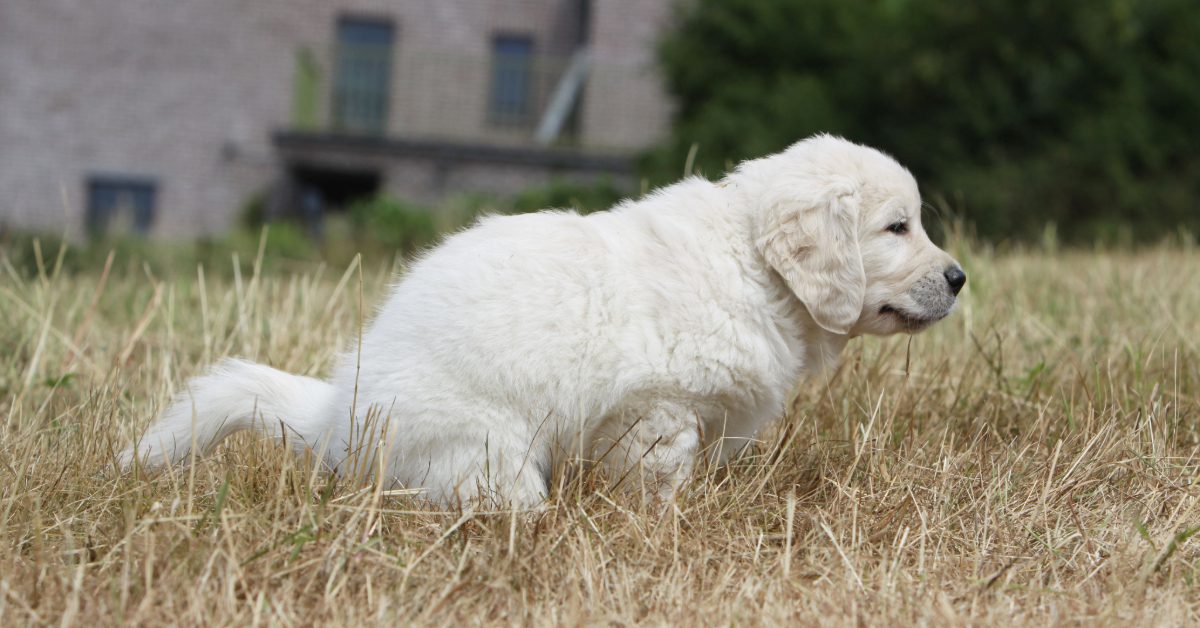
Why Does My Puppy Have Diarrhea?
Your puppy was fine yesterday, and today you’re cleaning up a mess by the back door. Why does my puppy have diarrhea? It’s a common questions new puppy owners ask, and the honest answer is that it could be almost anything: a new bag of food, a mouthful of backyard grass, a stomach bug picked…

What Causes Sudden Hind Leg Weakness in Dogs?
Sudden hind leg weakness in dogs is most often caused by a spinal cord problem, a torn ligament, nerve compression, or a condition affecting balance and coordination, and figuring out which one applies to your dog usually requires a hands-on veterinary exam. Because the back legs rely on a long chain of nerves, muscles, and…