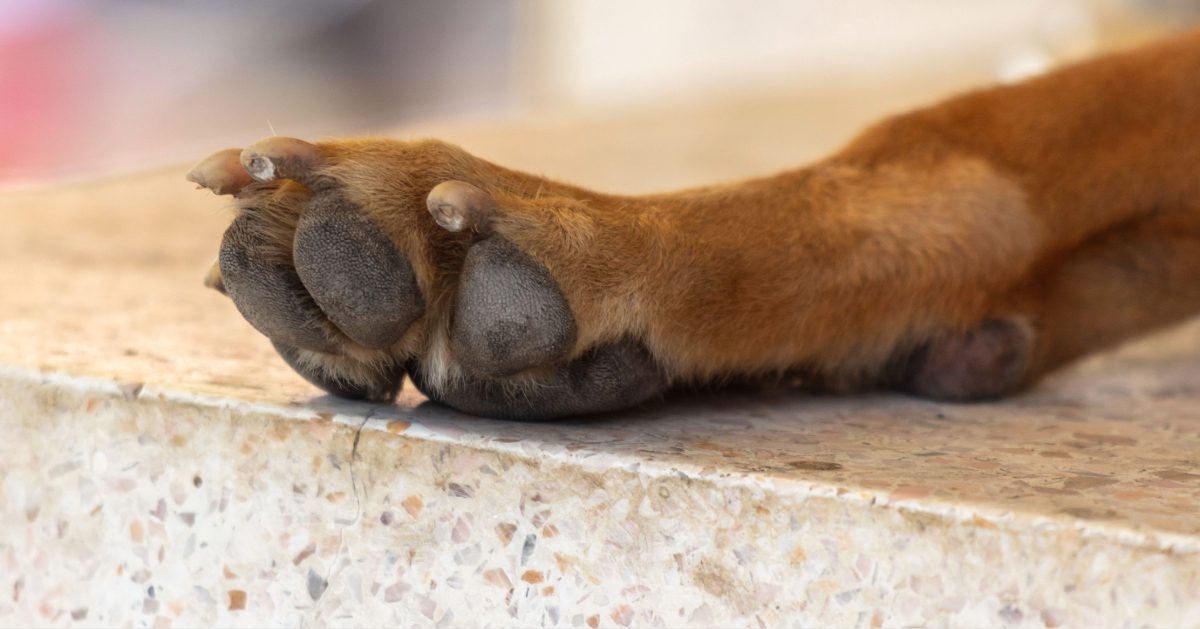
A swollen dog paw can show up for all sorts of reasons, from a minor splinter to an infection or an allergic reaction, and the right response depends heavily on what’s actually causing it. Because the paw is made up of small bones, pads, and soft tissue packed closely together, even a minor injury can lead to noticeable swelling fairly quickly, sometimes within just a few hours.
If you’ve noticed your dog favoring a puffy or swollen paw, it’s natural to want answers right away. This blog from Millis Animal Hospital explores the most common causes of a swollen dog paw, when the situation calls for prompt veterinary care, and what treatment generally involves once the underlying cause has been identified.
Swollen Dog Paw Causes
A swollen dog paw can stem from something as simple as a small cut or as involved as a systemic allergic reaction, which is why identifying the cause matters before deciding on next steps. The location, speed of onset, and any accompanying symptoms all help narrow down what’s actually going on.
Insect Stings and Bites
An insect sting or bite is one of the most common reasons behind a swollen dog paw, since dogs often step on or investigate bugs with their feet. This type of swelling tends to appear suddenly and can sometimes involve visible redness at the site, and in most cases it stays limited to a fairly small, localized area.
Foreign Objects and Splinters
Thorns, splinters, glass, or small debris lodged in the paw pad or between the toes can cause localized swelling around a swollen dog paw. Dogs will often lick or chew at the area, which can make the swelling worse over time and sometimes push a small object even deeper into the tissue.
Infections
A swollen dog paw can also result from a bacterial or fungal infection, particularly if there’s an existing wound, cut, or irritated area that bacteria has entered. Infected paws often feel warm to the touch and may have a noticeable odor, and the surrounding skin can sometimes appear redder or more irritated than the rest of the paw.
Allergic Reactions
Environmental allergens, certain plants, or contact with an irritating substance can trigger a swollen dog paw as part of a broader allergic response. This type of swelling sometimes affects more than one paw at once, particularly if the exposure happened during a walk or time spent outdoors in a grassy or wooded area.
A few additional causes worth considering include:
- Nail injuries, including a torn or ingrown nail
- Interdigital cysts between the toes
- Trauma from a slammed door or being stepped on
Any of these can cause noticeable puffiness, tenderness, or a change in how your dog walks, even when the underlying injury itself is small.
How to Treat a Swollen Dog Paw
Because a swollen dog paw can result from so many different causes, the appropriate treatment really depends on getting an accurate diagnosis first rather than guessing at home. What looks like a minor issue on the surface can sometimes involve something embedded deeper in the tissue.
Why a Vet Visit Comes First
What clears up an insect sting won’t necessarily resolve an infection or a foreign object lodged deep in the pad, so your veterinarian needs to examine a swollen dog paw closely to determine the right path forward. Some causes look similar on the surface but require very different treatment, and treating the wrong one can delay real healing or allow an issue to progress into something more serious.
What a Veterinary Exam Typically Involves
Your veterinarian will usually inspect the entire paw, including between the toes and around the nail beds, to check for foreign objects, wounds, or signs of infection contributing to a swollen dog paw. This close inspection often reveals details that aren’t obvious from a distance, such as a small puncture wound or the early signs of an interdigital cyst forming beneath the surface.
Treatment Varies by Cause
Depending on what’s found, treatment for a swollen dog paw might involve removing a foreign object, prescribing antibiotics for an infection, or managing an allergic reaction with appropriate medication. Our veterinary team will explain the recommended approach once the cause has been identified, along with what kind of improvement to expect and over what timeframe.
When a Swollen Dog Paw Is an Emergency
While many cases of paw swelling can wait for a scheduled appointment, certain signs mean it’s time to seek care right away rather than monitoring the situation from home.
Red Flags That Need Same-Day Attention
A swollen dog paw accompanied by significant limping, visible discharge, a foul odor, or a rapidly expanding area of swelling should be evaluated promptly. These signs can point toward a more serious infection or reaction that needs timely treatment, since waiting too long can allow the underlying issue to spread or worsen.
Watch for Signs of a Broader Reaction
Swelling that appears alongside facial swelling, difficulty breathing, or hives elsewhere on the body suggests a more significant allergic reaction rather than a localized paw issue, and this combination should be treated as an emergency. A reaction affecting the face or airway can progress quickly and needs immediate attention.
Additional Symptoms to Monitor
A few other signs can help you gauge urgency:
- Reluctance to bear any weight on the affected paw
- Fever or lethargy alongside the swelling
- Swelling that continues to worsen over several hours
Even when a swollen dog paw doesn’t seem to fit any of these more urgent categories, a same-day call to your veterinary team can help you decide whether waiting a day or two is a reasonable and safe option for your dog.
Millis Animal Hospital’s Approach to Paw Swelling
At Millis Animal Hospital, evaluating a swollen dog paw starts with a hands-on exam paired with a conversation about when the swelling started and what your dog has been exposed to recently. This combination of history and physical exam often points toward a likely cause before any testing is even needed.
Diagnostic Steps
Depending on the initial exam findings, our veterinary team may recommend additional testing such as a skin scrape, bacterial culture, or imaging to rule out a fracture or deeper foreign object. These steps help confirm exactly what’s behind the swollen dog paw before treatment begins, rather than treating symptoms without knowing the underlying cause, which can lead to a longer recovery overall.
Follow-Up and Monitoring
Some causes of a swollen dog paw, particularly infections or embedded foreign objects, require a follow-up visit to confirm the area is healing properly. Your veterinary team will let you know what kind of monitoring fits your dog’s specific situation, and staying on top of these visits helps catch any complications early before they turn into a bigger setback.
Getting Your Dog Comfortable Again
A swollen dog paw can range from a minor, short-lived issue to a sign of something that needs closer attention, and the safest way to tell the difference is through a proper veterinary exam. Paying attention to how quickly the swelling appeared, whether other symptoms are present, and how your dog is using the paw all provide useful information.
Every dog’s situation looks a little different, and what appears to be a minor bump on the paw can sometimes turn out to be something that benefits from a closer, more thorough look. Trusting a professional exam over guesswork remains the most reliable way to get an accurate answer and the right treatment plan.
If your dog is dealing with a swollen paw, Millis Animal Hospital is equipped to help pinpoint the cause and get your dog back to moving comfortably. Call us at 508-376-5317 or make an appointment online today.

Recent Posts
About Us
Millis Animal Hospital is a privately owned AAHA-accredited, Cat-Friendly Certified practice staffed with Fear Free Certified professionals. We know a thing or two about treating pets and their families the way they deserve, with excellent preventive care and surgical services tailored to your individual needs.