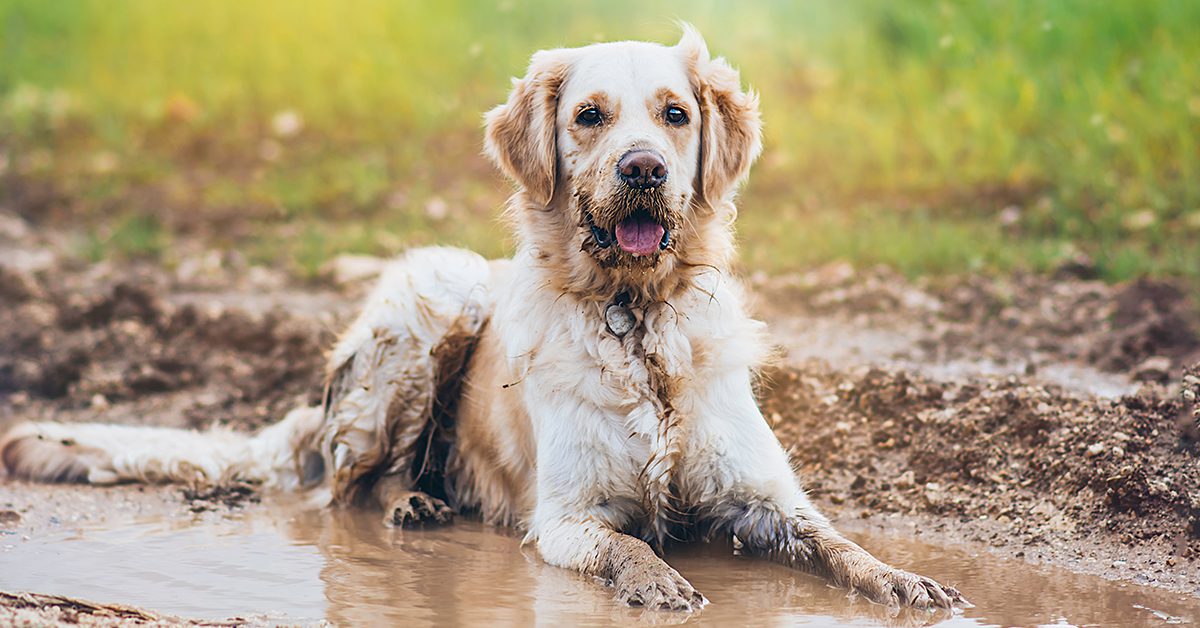
Leptospirosis in dogs is caused by Leptospira, a spiral-shaped bacteria that spreads through the urine of infected animals and survives in water and wet soil. Dogs usually pick it up by drinking from, swimming in, or walking through contaminated puddles, ponds, and mud, which allows the bacteria to enter through the mouth, eyes, nose, or small cuts on the skin. If you have ever wondered what causes leptospirosis in dogs, the answer often lies right in your own backyard or along your favorite walking trail. Here in Millis, wildlife such as raccoons, skunks, rats, and deer share the same green spaces our dogs love to explore, so awareness matters. This disease can damage the kidneys and liver, and it can also spread to people. At Millis Animal Hospital, we want local pet owners to understand where this infection comes from, which dogs face the greatest risk, and how vaccination fits into a strong prevention plan.
How Do Dogs Get Leptospirosis?
Understanding the source of infection is the first step toward prevention. Leptospira bacteria live in the kidneys of carrier animals, which shed the organism in their urine for weeks or even months, often without looking sick themselves.
Contaminated Water and Soil
Once urine reaches the ground, the bacteria can survive in standing water, moist soil, and mud, particularly in warm, humid conditions. Puddles that form after a summer storm, slow-moving streams, and the muddy edges of ponds all provide ideal hiding places. A dog that laps from a puddle or splashes through a marshy trail can easily come into contact with the organism without you ever noticing.
Direct Contact With Infected Animals
Dogs can also contract leptospirosis through direct exposure to an infected animal’s urine, bite wounds, or contaminated tissue. Common carriers include:
- Rats and mice living around barns, sheds, compost piles, and garages
- Raccoons, skunks, and opossums that roam suburban neighborhoods at night
- Deer and other wildlife that travel through wooded lots and fields
- Livestock such as cattle, pigs, and horses
- Other dogs that are actively shedding the bacteria
How the Bacteria Enter the Body
Leptospira slips in through mucous membranes in the mouth, nose, and eyes, or through scratches, abrasions, and water-softened skin on the paws. From there, it travels through the bloodstream and settles in organs such as the kidneys and liver. So when people ask what causes leptospirosis in dogs, the simplest answer is exposure to these bacteria during everyday outdoor activities.
Which Dogs Are Most at Risk for Leptospirosis?
Any dog can catch leptospirosis, and veterinarians no longer consider it a disease limited to hunting breeds or farm dogs. When owners research what causes leptospirosis in dogs, they often assume their pet is safe because it lives in a quiet neighborhood, yet many recent cases involve small dogs in suburban and even urban settings.
Lifestyle and Environmental Factors
Certain habits and surroundings raise the odds of exposure. Your dog may face a higher risk if they:
- Swim in lakes, rivers, or ponds, or play near the water’s edge
- Hike, hunt, or explore wooded areas and open fields
- Spend time in yards where wildlife travels after dark
- Drink from puddles, birdbaths, or outdoor water bowls left uncovered
- Visit dog parks, boarding facilities, or daycare with many other dogs
Seasonal Patterns in Massachusetts
Leptospirosis cases in New England tend to rise during late summer and fall, when warm temperatures combine with rainfall to create damp conditions where the bacteria thrive. Mild winters and wet springs can extend that window. Local conservation land, the Charles River, and neighborhood wetlands give Millis dogs plenty of enjoyable places to explore, but they also create opportunities for exposure. Because carrier animals often look perfectly healthy, you cannot judge whether an area is safe just by looking at it. Talking through your dog’s daily routine with your veterinarian helps you understand their true level of risk.
Backyard Exposure Is More Common Than Many Owners Think
You do not need to live near a farm or take long hikes for your dog to encounter these bacteria. A fenced yard with a low spot that collects rainwater, a bird feeder that draws rodents, or a garbage bin that attracts raccoons can all bring Leptospira close to home. Even a quick potty break on wet grass after a nighttime visit from wildlife may be enough for exposure.
What Are the Signs of Leptospirosis in Dogs?
Knowing what causes leptospirosis in dogs is helpful, but recognizing the symptoms matters just as much. Some dogs show only mild signs while others become seriously ill within days, and symptoms typically appear about one to two weeks after exposure.
Common Symptoms to Watch For
Contact your veterinarian promptly if your dog shows any of the following:
- Fever, shivering, or reluctance to move due to muscle soreness
- Loss of appetite, vomiting, or diarrhea
- Noticeably increased thirst and urination, or a sudden drop in urine output
- Yellowing of the gums, eyes, or skin (jaundice)
- Lethargy, weakness, or unusual depression
- Coughing or labored breathing in severe cases
Why Early Diagnosis Matters
Because these signs overlap with many other illnesses, your veterinarian will likely recommend blood work, urine testing, and specific leptospirosis tests to confirm the diagnosis. Early detection gives your dog the best chance at recovery, since the infection can lead to kidney failure, liver damage, and bleeding problems as it progresses. Leptospirosis is also zoonotic, which means people can catch it from contact with infected urine. If your dog tests positive, your veterinary team can explain the precautions your household should follow while your pet recovers.
Leptospirosis Vaccine for Dogs: How Does It Protect Your Pet?
Vaccination remains the most effective way to reduce your dog’s risk of leptospirosis and the serious complications that can follow an infection.
What the Vaccine Covers
Modern leptospirosis vaccines protect against four of the most common disease-causing strains, called serovars, found in North America. Today’s vaccines are highly purified and well tolerated, which has eased many of the concerns owners once had about reactions in small breeds. Recognizing how widespread the disease has become, the American Animal Hospital Association updated its canine vaccination guidelines in 2022 to recommend leptospirosis vaccination as a core vaccine for most dogs in North America.
Vaccine Schedule and Boosters
Dogs receiving the leptospirosis vaccine for the first time need two doses given a few weeks apart to build immunity. After that initial series, protection fades faster than it does with some other vaccines, so dogs need a booster every year to stay covered. Puppies can usually begin the series at around 12 weeks of age as part of their regular wellness visits. Your veterinarian will tailor the timing based on your dog’s age, health history, and lifestyle.
Vaccination as Part of a Bigger Plan
No vaccine covers every strain of Leptospira, so vaccination works best alongside smart daily habits. Discouraging your dog from drinking standing water, bringing outdoor food and water bowls inside at night, and limiting wildlife access to your yard all reduce exposure. Together, these steps help to lower your dog’s risk of getting leptospirosis.
Talk With Millis Animal Hospital About Leptospirosis Prevention
Now that you know what causes leptospirosis in dogs, you can take practical steps to protect your companion. Bacteria spread by wildlife urine, contaminated water, and damp soil present a real concern for dogs throughout Millis, Medway, Medfield, and the surrounding communities. The good news is that a simple annual vaccine, combined with awareness of risky environments, offers strong protection. The team at Millis Animal Hospital can review your dog’s lifestyle, update their vaccination records, and answer your questions about leptospirosis risk in our area. If your dog has spent time around standing water or wildlife and seems unwell, do not wait to seek care. Call Millis Animal Hospital at (508) 376-5317 to schedule a visit or request a vaccine appointment. Your dog depends on you to make informed choices, and our team is here to help every step of the way.

Recent Posts
About Us
Millis Animal Hospital is a privately owned AAHA-accredited, Cat-Friendly Certified practice staffed with Fear Free Certified professionals. We know a thing or two about treating pets and their families the way they deserve, with excellent preventive care and surgical services tailored to your individual needs.