Common dog ear infection symptoms include frequent head shaking, scratching or pawing at the ears, redness and swelling inside the ear flap, a strong odor, and brown, yellow, or bloody discharge. Many dogs also flinch or pull away when their ears are touched because the infection makes the area tender. Ear infections rank among the most frequent reasons dogs visit the veterinarian, and they can affect pets of any age, breed, or lifestyle. While some infections stay mild, others work their way deeper into the ear and lead to balance problems or hearing changes if left unaddressed. Recognizing the early warning signs helps you get your dog relief sooner and lowers the chance of a stubborn, recurring problem. In this article, the team at Millis Animal Hospital explains what ear infection symptoms look like, what causes them, and what to expect when your dog comes in for an ear exam.
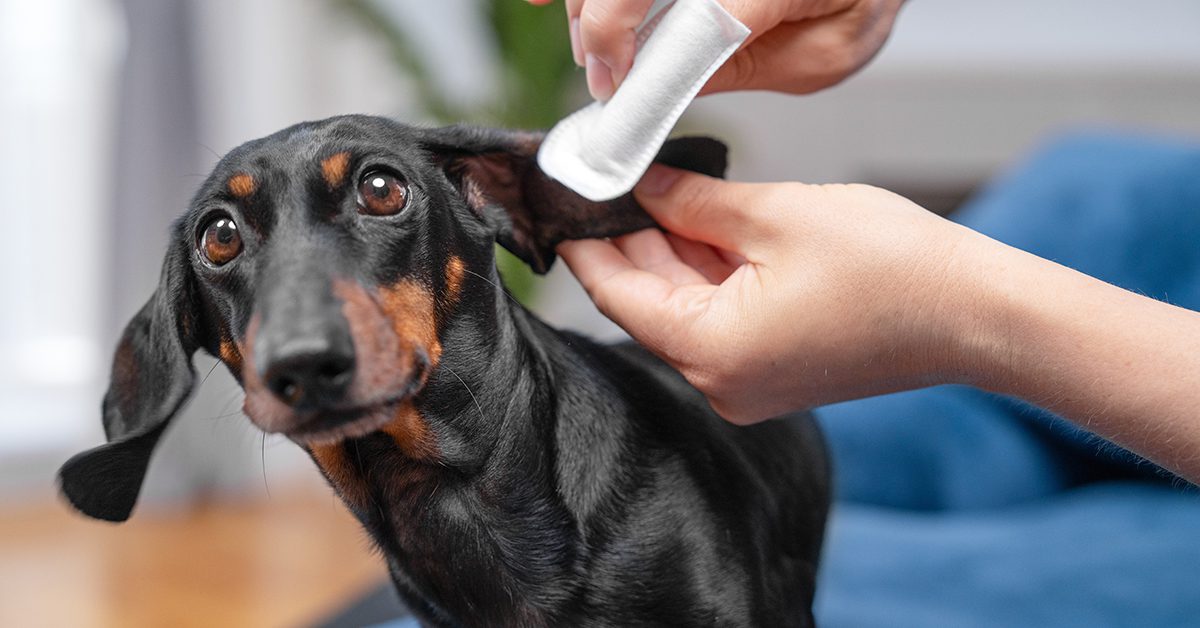
Common Dog Ear Infection Symptoms to Watch For
Dogs cannot tell us their ears hurt, but their behavior and the appearance of their ears usually tell the story.
Changes in Behavior
Discomfort often shows up first in how your dog acts. An itchy or painful ear can make a normally relaxed dog restless, irritable, or reluctant to be petted around the head. Watch for these telltale signs:
- Shaking the head repeatedly, sometimes hard enough to flap the ears loudly
- Scratching at one or both ears with a hind paw
- Rubbing the side of the face along furniture, carpet, or the ground
- Holding one ear lower than the other or tilting the head to one side
- Whining, yelping, or pulling away when you touch the ear or head
- Reduced appetite if chewing becomes uncomfortable
Visible Changes in the Ear
A quick look at the ear flap and opening can also reveal trouble. Healthy ears typically appear light pink, clean, and free of strong smells. With an infection, you may notice redness, swelling that narrows the ear opening, crusts or scabs, or dark, waxy debris. A yeasty, sour, or foul odor is one of the most recognizable dog ear infection symptoms, and many owners notice the smell before anything else.
Secondary Signs From Scratching
Constant scratching and shaking can create problems of their own. Some dogs develop raw patches, hair loss around the ear, or a soft, puffy swelling of the ear flap called an aural hematoma, which forms when a blood vessel breaks from vigorous head shaking. These secondary issues also deserve a veterinary visit.
How Do Dogs Get Ear Infections?
A dog’s ear canal has a unique shape that makes it more prone to trouble than a human ear. Understanding why infections develop can help you spot risk factors in your own pet.
The Shape of the Canine Ear
Dogs have an L-shaped ear canal that runs downward before turning inward toward the eardrum. This design traps moisture, wax, and debris, creating a warm, damp environment where yeast and bacteria thrive. Ear infections usually develop when something disrupts the ear’s normal balance and allows these organisms to overgrow.
Common Underlying Causes
Veterinarians frequently trace ear infections back to one of these triggers:
- Allergies: food and environmental allergies are among the most common root causes, since they inflame the skin lining the ear canal
- Moisture: water left behind after swimming or bathing can soften the canal and invite infection
- Ear mites: these tiny parasites are more common in puppies and can cause intense itching
- Foreign objects: grass seeds, burrs, and plant awns picked up outdoors can lodge deep in the canal
- Hormonal conditions: disorders such as hypothyroidism can affect skin and ear health
- Excess hair or wax: some dogs naturally produce more wax or grow hair inside the canal that traps debris
Breeds With Higher Risk
Dogs with long, floppy ears, such as Cocker Spaniels, Basset Hounds, and Golden Retrievers, often struggle with poor airflow in the ear canal. Breeds with narrow canals or skin folds, including Shar-Peis and Bulldogs, along with allergy-prone breeds like Labrador Retrievers and Poodles, also tend to see more ear problems. Active dogs that love swimming in local ponds and the Charles River may face added risk from trapped moisture.
How Symptoms Change as an Infection Moves Deeper
Not every ear infection stays in the same place. The location of the infection shapes which signs you see and how serious the situation becomes.
Outer Ear Infections
Most cases involve the outer ear canal, a condition veterinarians call otitis externa. This type typically causes the itching, odor, redness, and discharge described earlier. While uncomfortable, outer ear infections usually respond well when addressed promptly.
Middle and Inner Ear Infections
When an outer ear infection lingers or the eardrum becomes damaged, the problem can spread into the middle ear (otitis media) and inner ear (otitis interna). The inner ear plays a role in balance, so dog ear infection symptoms at this stage can look very different. Seek veterinary care promptly if you notice:
- A persistent head tilt that does not go away
- Stumbling, circling, or falling to one side
- Rapid, flickering eye movements
- Drooping of the lip or eyelid, or difficulty blinking on one side of the face
- Apparent hearing loss or a lack of response to familiar sounds
Why Recurring Infections Need Attention
Ear infections that keep coming back can cause the canal lining to thicken and scar over time, narrowing the passage and making future infections harder to resolve. Identifying and managing the underlying cause, such as allergies, plays a key role in breaking that cycle.
What Happens During a Veterinary Ear Exam?
A professional exam gives your veterinarian a clear view of what is happening inside your dog’s ear and helps guide the right next steps.
Looking Inside the Ear Canal
Your veterinarian will use an otoscope, a lighted instrument that allows them to see down the ear canal and check whether the eardrum is intact. This matters because some ear medications are not safe to use if the eardrum is damaged. Dogs with very painful or swollen ears sometimes need sedation for a thorough and comfortable exam.
Identifying the Cause
Many ear infections involve a mix of yeast and bacteria, and the treatment plan depends on which organisms are present. Your veterinarian may collect a small sample of ear debris and examine it under a microscope, a test called ear cytology. For stubborn or recurring cases, a culture can identify specific bacteria and the medications most likely to work against them.
Avoiding Guesswork at Home
Over-the-counter products and home remedies can sometimes irritate an inflamed ear or mask important clues before an exam. Dog ear infection symptoms can also overlap with other conditions, such as a foreign object or a growth in the canal. Letting your veterinarian evaluate the ear first gives your dog care matched to the actual problem.
Follow-Up Visits Matter
An ear can look and smell better well before the infection has fully cleared. For that reason, your veterinarian may schedule a recheck appointment to confirm the canal has healed. These follow-up exams help catch lingering yeast or bacteria early, which reduces the chance of a frustrating relapse a few weeks later.
Book an Ear Exam for Your Dog at Millis Animal Hospital
Spotting dog ear infection symptoms early can spare your pet days of itching, discomfort, and frustration. Whether you notice frequent head shaking, an unusual odor, or a sudden head tilt, a timely visit helps your dog feel better faster and reduces the risk of deeper complications. The team at Millis Animal Hospital welcomes dogs from Millis, Medway, Medfield, Norfolk, and neighboring communities, and we can examine your dog’s ears, identify what is driving the infection, and talk with you about managing underlying issues like allergies. If your dog has had repeat ear problems, we can also help create a long-term plan aimed at fewer flare-ups. Call Millis Animal Hospital at (508) 376-5317 to schedule an appointment, and let us help your dog get back to comfortable, worry-free days.

Recent Posts
About Us
Millis Animal Hospital is a privately owned AAHA-accredited, Cat-Friendly Certified practice staffed with Fear Free Certified professionals. We know a thing or two about treating pets and their families the way they deserve, with excellent preventive care and surgical services tailored to your individual needs.