
Dogs walk in circles for a wide range of reasons, from simple nesting instincts to underlying neurological or ear conditions that need veterinary attention. A dog walking in circles once or twice before lying down is usually normal, but a dog walking in circles repeatedly, especially in one direction, compulsively, or alongside stumbling and disorientation, can signal a medical problem.
Pet owners in Millis often ask why their dog is circling before bed, after meals, or seemingly out of nowhere. The truth is that dog walking in circles behavior falls on a spectrum. On one end, you have instinctual, momentary circling. On the other end, you have a dog walking in circles as a red flag for vestibular disease, brain lesions, or toxin exposure. This guide from Millis Animal Hospital breaks down the causes, the warning signs, and what happens during a veterinary visit for this behavior.
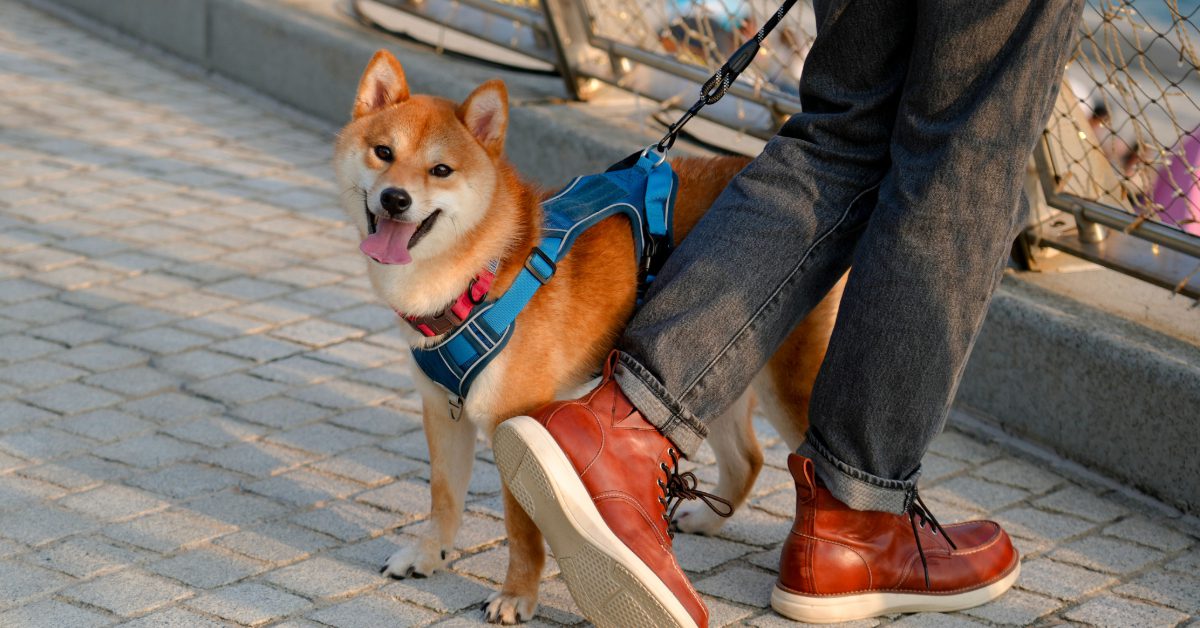
Why Is My Dog Walking in a Circle?
Dogs walk in circles for both instinctual and medical reasons, and figuring out which applies to your pet starts with watching the pattern closely. A dog walking in circles before settling into a bed or blanket is often replicating a wild ancestral behavior used to flatten grass or check for danger before resting.
Instinctual Circling Behavior
Circling before lying down is one of the most common reasons a dog walks in circles, and it rarely lasts more than a few seconds. This type of dog walking in circles is typically brief, purposeful, and ends the moment your dog lies down.
Compulsive or Repetitive Circling
A dog walking in circles that continues for minutes at a time, especially without an obvious trigger, points toward a different category entirely. Compulsive circling can be tied to anxiety, boredom, or in some cases, an underlying neurological issue that needs to be ruled out by a veterinarian.
Direction and Duration Matter
Veterinarians pay close attention to whether a dog is circling in one direction consistently or switching directions randomly. A dog walking in circles that always turns the same way, particularly if paired with a head tilt, is far more likely to be neurological than behavioral.
Common Causes of Dogs Walking in Circles
Dog walking in circles behavior can stem from several distinct sources, and narrowing them down usually requires a hands-on exam. Below are some of the more frequently diagnosed causes seen in veterinary practice.
Ear Infections and Vestibular Disease
Inner ear infections are among the top culprits behind a dog walking in circles, since the vestibular system controls balance and spatial orientation. When that system is inflamed or infected, dogs often circle toward the affected ear and may also tilt their head or lose coordination.
Neurological Conditions
Brain tumors, encephalitis, and other neurological conditions can cause a dog to walk in circles as one of the earliest visible symptoms. These cases often come with additional signs such as seizures, personality changes, or vision loss.
Age-Related Cognitive Decline
Senior dogs walking in circles may be experiencing canine cognitive dysfunction, a condition similar to dementia in humans. This form of circling tends to appear alongside nighttime restlessness, disorientation in familiar rooms, and changes in sleep patterns. Owners sometimes describe it as their dog getting “stuck” in a corner or pacing the same loop through the house for no clear reason.
Toxins, Organ Function, and Other Contributing Factors
A dog walking in circles is not always tied to the ears or brain directly. Liver shunts and other metabolic conditions can allow toxins that are normally filtered out to build up in the bloodstream, eventually affecting how the brain processes balance and spatial awareness. Certain household plants, human medications, and even some flea or tick products can trigger similar symptoms when ingested in excess.
Because so many possible causes overlap in how they present, a veterinarian at Millis Animal Hospital will usually ask detailed questions about your dog’s recent environment, diet, and any new products introduced at home before narrowing down next steps.
Here are a few additional causes worth ruling out:
- Toxin exposure, including certain plants, medications, or chemicals that affect the nervous system
- Liver disease, which can lead to a buildup of toxins that affect brain function
- Injury or trauma to the head that disrupts normal balance and coordination
When Dog Walking in Circles Becomes an Emergency
Not every instance of a dog walking in circles requires an urgent visit, but certain accompanying symptoms change the situation quickly. Knowing which signs point toward an emergency can make a meaningful difference in outcome.
Red Flags That Warrant Immediate Care
A dog walking in circles alongside vomiting, loss of balance, or sudden blindness should be seen right away. These combinations often indicate an acute neurological event rather than a benign habit.
Sudden Onset vs. Gradual Progression
The speed at which circling develops matters. A dog walking in circles that starts suddenly, within hours, is treated differently than a dog whose circling has gradually worsened over weeks, since sudden onset often points to stroke-like events or acute vestibular disease.
Consider These Warning Signs
Watch for these additional symptoms alongside circling behavior:
- Difficulty standing or walking in a straight line between circling episodes
- Unequal pupil size or abnormal eye movements
- Refusal to eat or drink combined with lethargy
If any of these appear, contacting Millis Animal Hospital at 508-376-5317 promptly is the safest course of action rather than waiting to see if symptoms resolve on their own.
Age and Breed Considerations
Older dogs and certain breeds prone to ear or neurological issues tend to show this circling behavior more often than younger, healthy dogs. A senior dog circling for the first time deserves closer attention than a puppy who circles briefly before a nap, simply because the odds of an underlying medical cause rise with age. Breeds with a history of inner ear sensitivity or inherited neurological conditions may also need a lower threshold for scheduling an exam.
What to Expect at the Vet for Circling Behavior
When you bring in a dog walking in circles for evaluation, our veterinary team at Millis Animal Hospital will start with a thorough physical and neurological exam. This process is designed to narrow down whether the cause is structural, infectious, or behavioral.
Diagnostic Steps
Your veterinarian will typically check ear canals, cranial nerve responses, and balance reflexes first, since these give quick clues about a dog walking in circles due to vestibular issues. Bloodwork may follow to rule out organ dysfunction or toxin exposure.
Advanced Imaging When Needed
If initial findings suggest a neurological origin, advanced imaging may be recommended to get a clearer picture of what is causing a dog to walk in circles. This step is usually reserved for cases where symptoms are severe or persistent.
Treatment Approaches Vary by Cause
Treatment for a dog walking in circles depends entirely on the diagnosis, ranging from antibiotics for an ear infection to supportive care for cognitive decline. Our veterinary team will walk you through the recommended plan and what recovery typically looks like for your dog’s specific situation.
What This Behavior Might Be Telling You
A dog walking in circles is communicating something, whether it’s a simple pre-nap ritual or a sign that something deeper needs attention. Paying attention to context, such as when the circling happens, how long it lasts, and what other symptoms show up alongside it, gives you and your veterinarian the clearest path toward an answer.
If you are ever uncertain whether your dog’s circling falls into the normal or concerning category, Millis Animal Hospital is available to help you sort through the details. Call us at 508-376-5317 or make an appointment online. A quick exam can rule out serious causes and give you peace of mind, or catch a treatable condition before it progresses further.

Recent Posts
About Us
Millis Animal Hospital is a privately owned AAHA-accredited, Cat-Friendly Certified practice staffed with Fear Free Certified professionals. We know a thing or two about treating pets and their families the way they deserve, with excellent preventive care and surgical services tailored to your individual needs.