
Your puppy was fine yesterday, and today you’re cleaning up a mess by the back door. Why does my puppy have diarrhea? It’s a common questions new puppy owners ask, and the honest answer is that it could be almost anything: a new bag of food, a mouthful of backyard grass, a stomach bug picked up from another dog, or something that needs a vet’s attention sooner rather than later. Puppies explore the world mouth-first, and their digestive systems are still figuring out how to handle everything that comes their way, which makes loose stool one of the more frequent bumps in the road during those first few months.
The tricky part isn’t spotting the diarrhea, it’s figuring out what’s actually behind it and how worried to be. Below, our team at Millis Animal Hospital walks through the most likely culprits, the warning signs that mean it’s time to call rather than wait, and what actually happens during a visit if your puppy needs one.
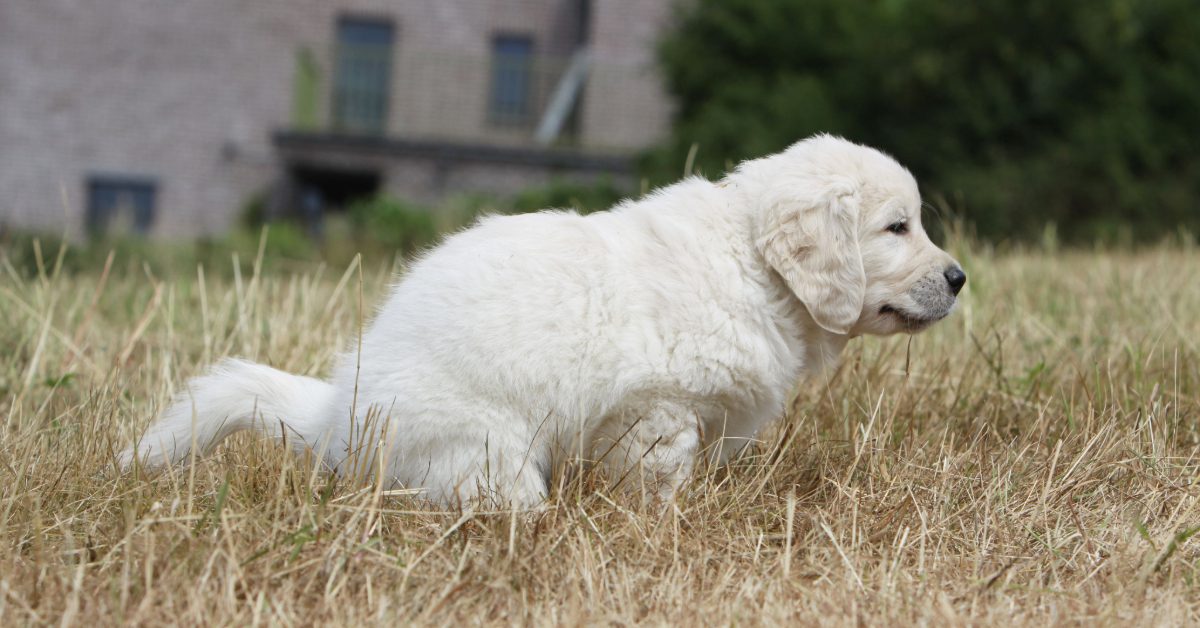
Why Does My Puppy Have Diarrhea?
There’s rarely a single answer to why your puppy has diarrhea, since so many different triggers can affect a young dog’s digestive system.
Dietary Causes
A sudden change in food, table scraps, or a new treat can all be reasons why your puppy has diarrhea, since puppies have sensitive digestive systems that don’t always tolerate abrupt changes well. Puppies are also notorious for eating things they find outside or around the house, from grass and dirt to items that aren’t food at all, and any of these can upset the digestive tract.
Parasites
Intestinal parasites like roundworms, hookworms, or giardia are extremely common answers to “Why does my puppy have diarrhea?”, especially in young puppies who haven’t completed their full deworming schedule. These parasites can be present even in puppies who appear otherwise healthy and energetic, which is part of why routine fecal testing is such a standard part of early puppy visits.
Infections
Viral infections such as parvovirus and bacterial infections are more serious explanations for why your puppy has diarrhea, particularly in puppies who are unvaccinated or only partially vaccinated. These infections often come with additional symptoms beyond the diarrhea itself, such as lethargy, fever, or a noticeable loss of appetite, and they tend to progress faster than a simple dietary upset.
Stress and Environmental Changes
A new home, a long car ride, or a change in routine can sometimes explain puppy diarrhea, since stress can disrupt normal digestive function even without an underlying illness. This type of diarrhea tends to resolve as the puppy settles in, though it can still be worth mentioning to your veterinarian at your next scheduled visit.
How to Stop Diarrhea in Puppies
Once you understand why your puppy has diarrhea in your particular case, the appropriate next step depends heavily on the underlying cause, which is why a veterinary evaluation is the safest starting point rather than guessing at home.
Why a Vet Visit Comes First
Because the causes behind puppy diarrhea range from mild to life-threatening, a veterinarian needs to examine your puppy and often run diagnostic tests before recommending a treatment plan. What works for a dietary upset won’t necessarily help with a parasite infection or a viral illness, and treating the wrong cause can delay real recovery or even allow a serious condition to worsen.
What Veterinary Treatment May Involve
Depending on the diagnosis, treatment for puppy diarrhea might include deworming medication, supportive fluids, a prescription diet, or targeted medication for an infection. Our veterinary team at Millis Animal Hospital will tailor the plan based on what’s actually causing your puppy’s symptoms rather than applying a one-size-fits-all approach.
The Role of Hydration
Puppies can become dehydrated from diarrhea more quickly than adult dogs, so monitoring hydration status is an important part of any treatment plan your veterinarian puts together. This is one of the reasons professional guidance matters, especially for very young or small-breed puppies, whose smaller body size leaves less room for error.
Signs that suggest a veterinary visit shouldn’t wait include:
- Diarrhea lasting more than 24 hours without improvement
- Blood or mucus visible in the stool
- Vomiting, lethargy, or refusal to eat alongside the diarrhea
Puppies who seem otherwise bright and energetic despite a single loose stool are usually less concerning than those showing multiple symptoms at once, but a phone call to your veterinary team is always a reasonable next step if you’re unsure.
When Puppy Diarrhea Is an Emergency
While mild, short-lived diarrhea is common in puppies, certain signs mean you shouldn’t wait to see if things improve on their own.
Red Flags That Need Immediate Attention
If your puppy is showing signs of severe lethargy, repeated vomiting, a swollen abdomen, or bloody diarrhea, this goes beyond a simple case of why your puppy has diarrhea and should be treated as an emergency, especially in unvaccinated puppies where parvovirus is a concern.
Age and Vaccination Status Matter
Very young puppies and those who haven’t completed their vaccination series are at higher risk for serious causes behind the question “Why does my puppy have diarrhea?”, since their immune systems haven’t fully developed protection against common viral threats. This is part of why veterinarians take diarrhea in young, unvaccinated puppies more seriously than the same symptom in a fully vaccinated adult dog.
Watch for Rapid Decline
Puppies can go from mildly unwell to critically ill faster than adult dogs, so a puppy who seems increasingly weak, unresponsive, or unable to keep any food or water down needs to be seen right away rather than monitored at home. Small-breed and toy-breed puppies in particular can decline especially quickly due to their limited energy reserves.
Diagnosing and Treating Puppy Diarrhea at Millis Animal Hospital
When you bring your puppy to Millis Animal Hospital for diarrhea, our veterinary team will start by gathering a detailed history alongside a physical exam to help work out “Why does my puppy have diarrhea?”
Diagnostic Testing
A fecal exam is often the first step to check for parasites, while bloodwork or additional testing may be recommended if a viral or bacterial infection is suspected. These tests help our veterinary team confirm the underlying cause rather than treating symptoms alone, which matters because two puppies with identical-looking diarrhea can end up needing very different treatment plans.
Tailored Treatment Plans
Once the cause behind “Why does my puppy have diarrhea?” is identified, our veterinary team at Millis Animal Hospital will put together a treatment plan specific to your puppy’s diagnosis, age, and overall health.
Follow-Up Care
Some causes of puppy diarrhea, like certain infections, require follow-up visits or repeat testing to confirm the issue has fully resolved. Your veterinary team will let you know what kind of monitoring makes sense for your puppy’s specific situation, and staying on schedule with these visits helps catch any lingering issues before they become bigger problems.
Getting Your Puppy’s Digestion Back on Track
Understanding why your puppy has diarrhea starts with recognizing how many different causes can be behind it, from something as simple as a diet change to something as serious as a viral infection. Because puppies can decline quickly, professional evaluation is the safest way to get an accurate diagnosis and appropriate treatment.
Every puppy’s situation is a little different, and the same symptom can mean something mild in one puppy and something urgent in another depending on age, vaccination status, and overall health. Trusting a veterinary exam over guesswork is the most reliable way to get your puppy the right care.
If your puppy is dealing with diarrhea and you’re unsure what’s behind it, call us at 508-376-5317 or make an appointment online today. Millis Animal Hospital can help you figure out the cause and get your puppy feeling better.

Recent Posts
About Us
Millis Animal Hospital is a privately owned AAHA-accredited, Cat-Friendly Certified practice staffed with Fear Free Certified professionals. We know a thing or two about treating pets and their families the way they deserve, with excellent preventive care and surgical services tailored to your individual needs.