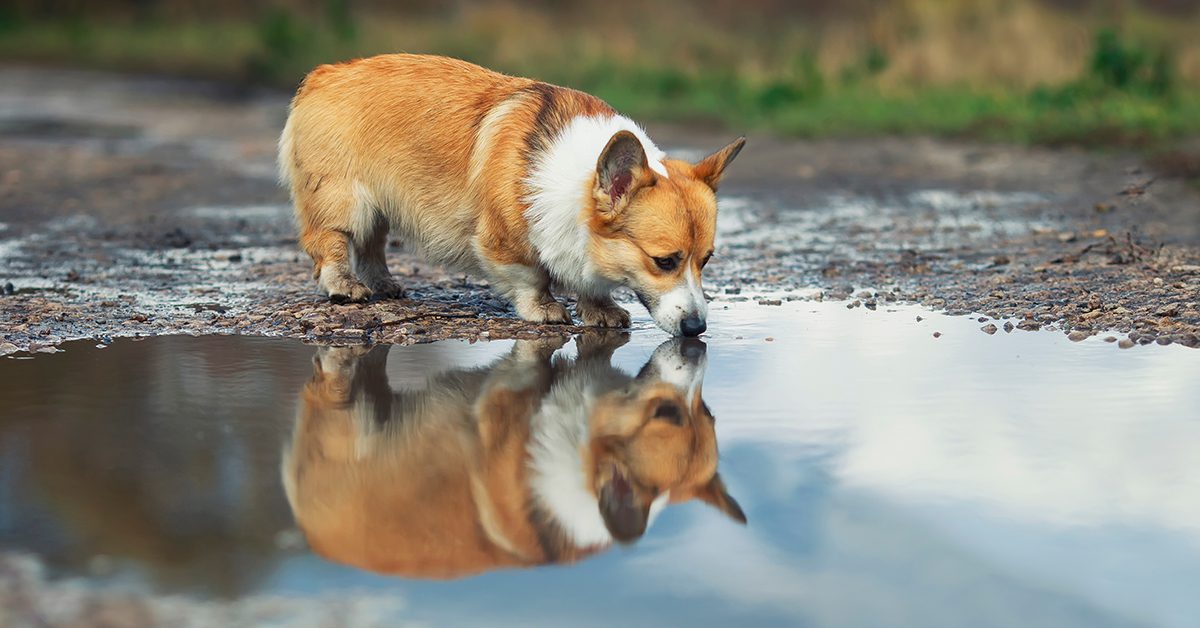
The most common signs of leptospirosis in dogs include fever, lethargy, loss of appetite, vomiting, muscle stiffness, increased thirst and urination, and yellowing of the eyes, gums, or skin. Symptoms usually appear within one to two weeks of exposure and can range from barely noticeable to life-threatening. Because this bacterial infection attacks the kidneys and liver, early recognition makes a real difference in how a dog recovers. The challenge is that many of these warning signs look like an ordinary upset stomach or a tired day, so owners may not realize anything serious is happening. Dogs in Millis and the surrounding towns encounter the bacteria through wildlife urine, puddles, and damp ground, which means local owners benefit from knowing what to watch for. In this guide, the team at Millis Animal Hospital explains how the illness progresses, which symptoms deserve prompt attention, and how veterinarians confirm a diagnosis.
Leptospirosis in Dogs: An Overview for Pet Owners
Before looking at individual symptoms, it helps to understand what happens inside a dog’s body once the bacteria take hold.
From Exposure to Illness
Leptospirosis is caused by Leptospira bacteria, which typically enter through the mouth, nose, eyes, or small breaks in the skin. Once inside, the organisms multiply in the bloodstream for several days before spreading to the kidneys, liver, and other tissues. This incubation period generally lasts about five to 14 days, so a dog may seem perfectly healthy for a week or more after splashing through a contaminated puddle.
Why Symptoms Vary So Much
No two cases look exactly alike. Some dogs fight off the infection with only mild, short-lived signs, and owners may never know their pet was sick. Others decline quickly and need intensive hospital care. Factors such as the specific bacterial strain, the amount of exposure, your dog’s age, and vaccination status all shape how the illness unfolds. That unpredictability is one reason veterinarians encourage owners to take even vague changes seriously when a dog has had recent outdoor exposure.
Organs at Greatest Risk
The kidneys and liver bear the brunt of this infection, but the bacteria can also affect the lungs, blood vessels, eyes, and muscles. Many of the symptoms owners notice stem directly from damage to these organs.
Can a Dog Carry Leptospirosis Without Looking Sick?
Yes. Some dogs develop a mild or silent infection and continue shedding the bacteria in their urine for a period of time afterward. These dogs may show no obvious symptoms at all, yet they can still expose other pets and people in the household. This is one reason a lack of visible illness does not always mean a dog is free of the disease, and why veterinarians look at exposure history alongside symptoms when deciding whether testing makes sense.
Early Signs of Leptospirosis in Dogs
The first signs of leptospirosis in dogs often appear subtle and nonspecific, which makes them easy to brush off.
Initial Symptoms to Recognize
During the early stage of infection, you may notice:
- A sudden lack of energy or reluctance to play and go for walks
- Fever, which may show up as shivering or seeking out warm spots
- Decreased interest in food or skipping meals entirely
- Vomiting or diarrhea that does not clear up within a day
- Stiff, sore muscles or a hunched posture when standing
- Red, irritated eyes
Why These Signs Are Easy to Miss
Every one of these symptoms can also result from dietary indiscretion, a minor virus, or a strained muscle. Owners understandably wait to see if their dog bounces back. With leptospirosis, however, waiting can allow the infection to cause more damage to vital organs. If your dog shows any of these changes and has recently been near standing water, wildlife, or wet trails, let your veterinarian know about that exposure when you call. That context helps the veterinary team decide how quickly your dog should be seen.
Changes in Drinking and Urination
One of the more telling early clues involves the water bowl. Many infected dogs drink noticeably more than usual and need to go outside more often. This pattern can signal that the kidneys are struggling to concentrate urine properly, and it deserves a veterinary evaluation.
Advanced Leptospirosis Symptoms That Need Urgent Attention
As the infection progresses, the signs of leptospirosis in dogs often become more obvious and more serious.
Signs of Organ Involvement
Contact a veterinarian immediately, or seek emergency care after hours, if your dog develops any of the following:
- Yellow tinge to the whites of the eyes, gums, or inner ears (jaundice)
- Very little or no urine output despite drinking
- Dark orange or brown urine
- Coughing, rapid breathing, or labored breathing
- Nosebleeds, tiny red spots on the gums or belly, or blood in vomit or stool
- Extreme weakness, collapse, or inability to stand
What These Symptoms Tell Your Veterinarian
Jaundice and darkened urine often point to liver involvement, while a drop in urine production may indicate acute kidney injury. Breathing difficulty can reflect a serious complication called leptospiral pulmonary hemorrhage syndrome, in which bleeding occurs in the lungs. Spontaneous bleeding elsewhere in the body suggests the infection has affected blood vessels and clotting. Each of these developments represents a medical emergency that requires professional diagnostics and hospital-level care rather than a wait-and-see approach.
Dogs That May Decline Faster
Puppies, senior dogs, unvaccinated dogs, and pets with existing kidney or liver conditions may have less reserve to fight off the infection. Owners of these dogs should be especially quick to reach out when symptoms appear.
How Veterinarians Confirm a Leptospirosis Diagnosis
Because the symptoms overlap with so many other illnesses, veterinarians rely on testing rather than appearance alone to confirm leptospirosis.
Common Diagnostic Tools
Your veterinarian may recommend a combination of tests, such as:
- Blood work to evaluate kidney values, liver enzymes, and blood cell counts
- Urinalysis to check for signs of kidney damage and infection
- PCR testing on blood or urine to detect the genetic material of the bacteria
- Antibody testing, sometimes repeated a few weeks apart, to measure the immune response
- Chest X-rays or abdominal ultrasound to assess the lungs, liver, and kidneys
Why Timing Affects Test Results
The bacteria circulate in the blood early in the illness and shift to the urine later, so the best sample depends on how long your dog has been sick. Antibody levels may not rise high enough to detect in the first several days. For this reason, your veterinarian may run more than one type of test or repeat testing to get a clear answer.
Details That Help Your Veterinary Team
A thorough history speeds up the diagnostic process. Be ready to describe when you first noticed changes, whether symptoms have worsened, and where your dog has spent time over the past few weeks. Mention recent hikes, swims, boarding stays, or wildlife sightings in your yard, along with your dog’s vaccination history. These details help your veterinarian connect the dots between the signs of leptospirosis in dogs and other possible causes.
A Note for the Household
Leptospirosis can spread from dogs to people through contact with infected urine. If your dog receives a diagnosis, your veterinary team will explain the precautions your family should take, and anyone in the home who feels unwell should speak with their own physician.
Talk to Millis Animal Hospital About Your Dog’s Symptoms
Recognizing the signs of leptospirosis in dogs gives you the chance to act before the infection causes lasting harm. A tired dog with an upset stomach may simply need a quiet day, but when those symptoms follow time near ponds, puddles, or wildlife, a prompt exam is the safer choice. The veterinary team at Millis Animal Hospital serves families in Millis, Medway, Medfield, Norfolk, and nearby communities, and we can evaluate your dog, run the appropriate tests, and discuss annual vaccination to lower future risk. Trust your instincts if something seems off with your pet. Call Millis Animal Hospital at (508) 376-5317 to schedule an appointment or ask our team whether your dog’s symptoms warrant a visit today.

Recent Posts
About Us
Millis Animal Hospital is a privately owned AAHA-accredited, Cat-Friendly Certified practice staffed with Fear Free Certified professionals. We know a thing or two about treating pets and their families the way they deserve, with excellent preventive care and surgical services tailored to your individual needs.