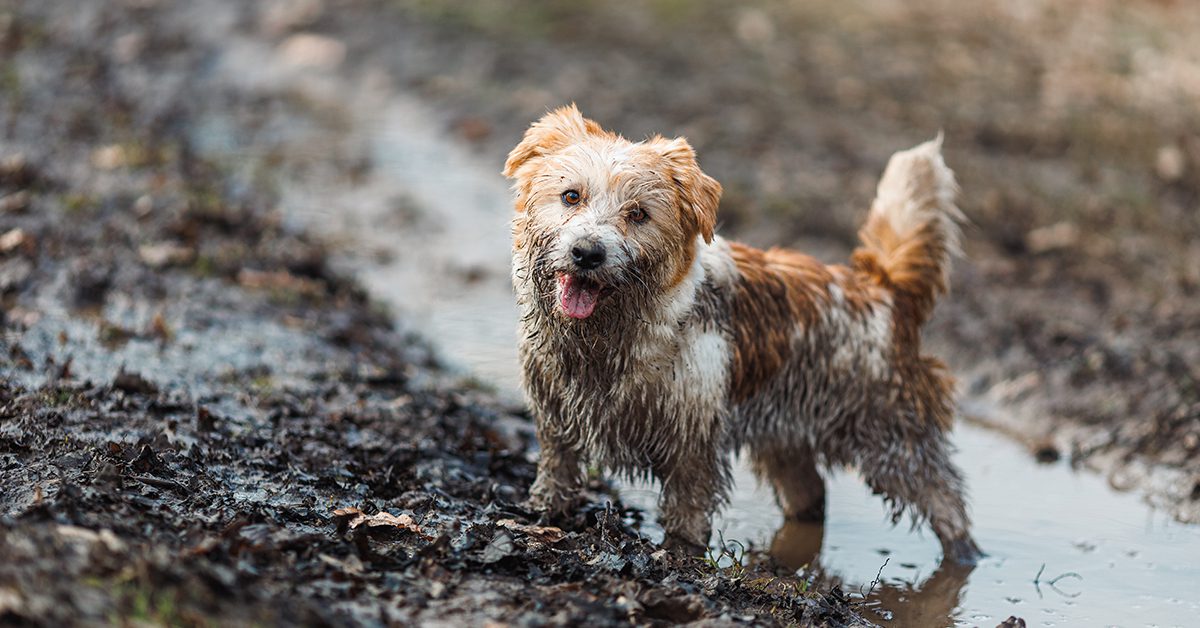
The leptospirosis vaccine for dogs is an injection that teaches your dog’s immune system to recognize and fight Leptospira, the bacteria responsible for a serious infection that targets the kidneys and liver. Most dogs start with two initial doses given a few weeks apart, followed by a booster every year to maintain protection. Leptospirosis spreads through the urine of wildlife and other infected animals, and it lingers in puddles, ponds, and damp soil. That makes almost every dog that steps outside a potential target, including small dogs that rarely leave the backyard. Because the disease can also pass from pets to people, vaccination protects your whole household. At Millis Animal Hospital, we field plenty of questions about this vaccine, from how it works to when puppies should receive it. This guide walks you through what the vaccine is, the recommended timeline, and why it deserves a place in your dog’s preventive care plan.
What Is the Leptospirosis Vaccine?
The leptospirosis vaccine is a type of bacterin, meaning it contains inactivated bacteria or purified bacterial components that cannot cause illness. When your dog receives it, the immune system responds by producing antibodies that stand ready if the real bacteria ever show up.
The Strains It Targets
Scientists have identified hundreds of Leptospira variations, called serovars. Current vaccines in the United States focus on the four that most often make dogs sick in North America:
- Canicola: historically linked to dogs as the main carrier
- Icterohaemorrhagiae: commonly associated with rats
- Grippotyphosa: frequently carried by raccoons, skunks, and small rodents
- Pomona: often found in livestock, skunks, and opossums
How Your Dog’s Body Responds
After the first injection, your dog’s immune system begins building a defense, but that first dose mainly primes the body. The second dose, given a few weeks later, triggers a much stronger and more lasting antibody response. That is why a single shot does not count as full protection for a dog receiving the vaccine for the first time. Once the series is complete, the antibodies help the body neutralize the bacteria before they can settle in the kidneys and liver. While no vaccine prevents every infection, vaccinated dogs that do become exposed typically face a much lower chance of severe illness.
How It Differs From Other Dog Vaccines
Many familiar shots, such as the distemper-parvovirus combination, protect against viruses and provide long-lasting immunity after the puppy series. The leptospirosis vaccine works differently. Because it guards against bacteria, the immunity it creates fades sooner, which is why dogs need yearly boosters rather than the three-year intervals some other vaccines allow. The leptospirosis vaccine for dogs is sometimes given on its own and sometimes combined with other core vaccines in a single injection, depending on your veterinarian’s protocol.
When Should Your Dog Get the Leptospirosis Vaccine?
Timing plays a big role in how well the vaccine works, and the schedule depends on your dog’s age and vaccine history.
The Standard Vaccination Timeline
Most veterinary teams follow a schedule similar to this one:
- Puppies: first dose at around 12 weeks of age or older, often during a routine puppy visit
- Second dose: two to four weeks after the first, completing the initial series
- Adult dogs new to the vaccine: the same two-dose series, regardless of age
- Ongoing protection: one booster every 12 months for life
What Happens If a Booster Is Missed?
Life gets busy, and appointments sometimes slip. If your dog’s annual booster falls too far behind schedule, immunity may drop low enough that your veterinarian recommends restarting the two-dose series. A single late dose may not provide reliable coverage on its own. Staying on top of reminders from your veterinary clinic is the simplest way to avoid gaps.
Timing Around Peak Season
In Massachusetts, leptospirosis activity tends to climb during the warm, rainy months of late summer and fall. Some dog owners like to schedule boosters in the spring so protection is strong heading into that higher-risk stretch. Your veterinarian can help you decide on the best timing for your dog’s routine.
Why the Leptospirosis Vaccine Matters for Millis Dogs
Leptospirosis was once thought of as a problem for hunting dogs and farm animals, but that picture has changed considerably over the past two decades.
A Shift in Veterinary Recommendations
Rising case numbers in suburban and urban areas led the American Animal Hospital Association to update its canine vaccination guidelines in 2022. The association now considers the leptospirosis vaccine for dogs a core vaccine for most dogs in North America, placing it alongside rabies and distemper in importance. That change reflects how widely the bacteria have spread into everyday environments.
Local Risks Worth Considering
Millis sits along the Charles River and is surrounded by conservation land, wetlands, and wooded neighborhoods. These areas give dogs wonderful places to explore, but they also attract wildlife that can carry and shed the bacteria. Raccoons raiding trash cans, rodents near sheds and woodpiles, and deer crossing through yards all leave potential contamination behind. Rainwater pooling on lawns, sidewalks, and trails can then carry the bacteria straight to your dog.
The Cost of Skipping Protection
An unvaccinated dog that contracts leptospirosis may need hospitalization, intensive care, and extended monitoring of kidney and liver function. Even with prompt veterinary care, some dogs suffer lasting organ damage. By comparison, the leptospirosis vaccine for dogs is an affordable, quick addition to an annual wellness exam. For most families, prevention is far easier on both the pet and the household budget than treating an active infection.
Protection for People, Too
Leptospirosis is zoonotic, which means humans can become infected through contact with contaminated urine, water, or soil. Vaccinating your dog lowers the chance of the disease entering your home and affecting children, older adults, or anyone with a weakened immune system. In that way, one vaccine helps protect every member of the family.
Is the Leptospirosis Vaccine Safe for Dogs?
Owners often ask about safety, especially if they heard concerns years ago, so it helps to look at how the vaccine has evolved.
Today’s Vaccines Are More Refined
Older leptospirosis vaccines had a reputation for causing reactions, particularly in small breeds. Modern versions use highly purified ingredients, and research has shown that reaction rates are now similar to those of other routine vaccines. Small dogs actually face meaningful exposure risk because they often encounter contaminated grass and puddles close to home.
What Pet Owners Might Notice
Most dogs experience no problems at all. Some may seem a little tired or have mild soreness at the injection site for a day or so. Serious allergic reactions are rare, but you should contact your veterinarian right away if you notice facial swelling, hives, vomiting, or difficulty breathing after any vaccine.
Information to Share Before the Appointment
Your veterinarian can tailor the visit more effectively when you mention details like these:
- Any past reaction to a vaccine, even a mild one
- Current medications, supplements, or recent illnesses
- Upcoming boarding stays, travel, or camping trips
- How often your dog swims, hikes, or spends time around wildlife
Schedule Your Dog’s Leptospirosis Vaccine at Millis Animal Hospital
The leptospirosis vaccine for dogs offers one of the most effective ways to guard your pet against a disease that can quietly lurk in a backyard puddle. With an initial two-dose series and a yearly booster, your dog can enjoy walks, swims, and outdoor adventures with far less worry. The team at Millis Animal Hospital welcomes dogs from Millis, Medway, Medfield, Norfolk, and nearby communities, and we are happy to review your dog’s vaccine history and recommend the right schedule. Whether you have a new puppy starting their series or an adult dog who has never received this vaccine, we can help you plan the next step. Call Millis Animal Hospital at (508) 376-5317 to book a wellness visit or vaccine appointment, and let our team help your dog stay protected all year long.

Recent Posts
About Us
Millis Animal Hospital is a privately owned AAHA-accredited, Cat-Friendly Certified practice staffed with Fear Free Certified professionals. We know a thing or two about treating pets and their families the way they deserve, with excellent preventive care and surgical services tailored to your individual needs.