Why is my dog limping? In most cases, limping means your dog is protecting an injured or painful leg, and the cause can range from a minor paw scrape to something more serious like a torn ligament or fracture. Watching how your dog is limping, which leg is affected, and whether the limp came on suddenly or gradually gives you and your veterinarian important clues before you even step into the exam room.
Limping is one of the most common reasons pet owners bring their dogs to Millis Animal Hospital, and for good reason. A dog favoring one leg is rarely something to ignore completely, even if it doesn’t always mean an emergency. This blog walks through six of the most frequent causes behind why is my dog limping, along with the signs that mean it’s time to schedule a visit.
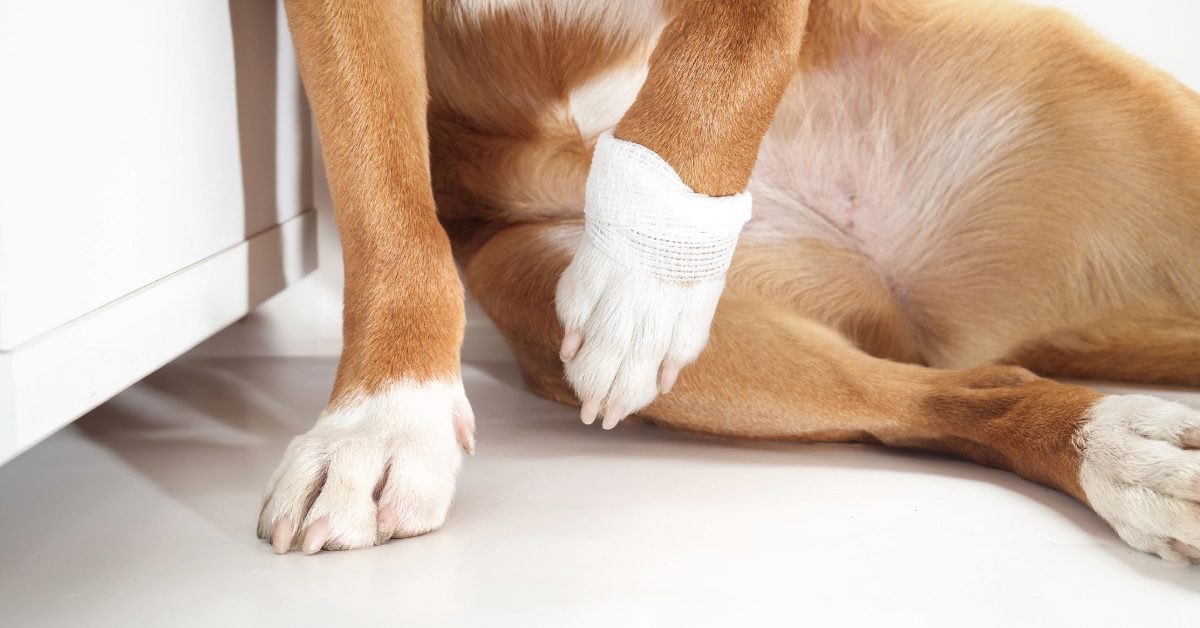
Dog Limping: What It Means and When to Worry
When you ask, “Why is my dog limping?”, the answer usually starts with pain, weakness, or instability somewhere in the leg or paw. Limping is a symptom, not a diagnosis, and the underlying cause can be anything from a splinter to a serious orthopedic condition.
Sudden vs. Gradual Onset
A dog that suddenly starts limping after a walk or a jump off the couch is likely dealing with an acute injury, such as a sprain or a cut paw pad. If you’re wondering, “Why is my dog limping?” and it happened out of nowhere, think back to the last hour or two for any obvious trigger.
Mild vs. Severe Limping
Not all limps look the same. A dog who occasionally favors a leg but still bears weight on it is showing a mild limp, while a dog who refuses to put any weight down at all is showing a severe limp that typically needs faster attention.
Which Leg Is Affected
Front-leg limping and back-leg limping often point toward different causes, since front legs bear more of a dog’s body weight and back legs are more prone to ligament injuries. Noting which leg is affected helps our veterinary team narrow down the cause more quickly.
6 Common Causes of Dog Limping
Pet owners asking, “Why is my dog limping?” are often surprised by how many possible causes exist. Here are six of the most common culprits seen at Millis Animal Hospital.
1. Paw and Nail Injuries
Cuts, embedded splinters, torn nails, and burns from hot pavement are among the simplest explanations for why your dog is limping. These injuries are often visible with a close look at the paw pad and between the toes.
2. Sprains and Strains
Just like people, dogs can sprain a joint or strain a muscle during rough play, an awkward landing, or overexertion. This is one of the more common reasons why your dog may be limping after an active day outside.
3. Torn Ligaments
A torn cranial cruciate ligament, similar to an ACL tear in humans, is a frequent cause of sudden back-leg limping in dogs, especially larger breeds. This type of injury often requires surgical evaluation.
4. Fractures and Broken Bones
A visible swelling, an oddly angled limb, or a complete refusal to bear weight can point toward a fracture. This is one of the more urgent answers to “Why is my dog limping?” and needs prompt veterinary imaging.
5. Arthritis and Joint Disease
Chronic limping that worsens with age or cold weather is often tied to arthritis or other degenerative joint disease. This form of limping tends to build gradually rather than appear overnight.
6. Tick-Borne Illness
Diseases like Lyme disease can cause shifting leg lameness, where the limp seems to move from one leg to another over time. This is a less obvious answer to why your dog is limping but an important one to rule out, especially after time spent outdoors.
Here are a few quick signs that can help narrow down the cause at home before your visit:
- Swelling, heat, or redness around a specific joint or paw
- Visible cuts, foreign objects, or broken nails on the paw
- A limp that appears only after exercise versus one that’s constant
When Dog Limping Becomes an Emergency
Not every limp requires an immediate trip to the vet, but some situations do. Recognizing the difference helps you make the right call quickly.
Signs That Warrant Same-Day Care
If your dog is limping alongside visible bone, an oddly bent leg, extreme swelling, or intense pain when touched, this is no longer a simple case of dog limping and instead requires urgent evaluation. Dogs who yelp when the leg is touched or who won’t put any weight on it at all should be seen promptly.
Watch for These Additional Symptoms
Beyond the limp itself, keep an eye out for symptoms that suggest something more serious is going on:
- Fever, lethargy, or loss of appetite alongside the limping
- A leg that appears shorter, longer, or misaligned compared to the others
- Limping that lasts more than a day or two without improvement
Why Timing Matters
The longer an underlying injury goes unaddressed, the more likely it is to worsen or lead to compensatory strain on other legs. Getting an answer to “Why is my dog limping?” sooner rather than later can prevent a minor issue from becoming a more complicated one.
Puppies vs. Senior Dogs
Age plays a role in how quickly a limp should be checked out. A growing puppy who suddenly starts limping may be dealing with a developmental joint issue, while an older dog with a slow, gradual limp is more likely experiencing early arthritis. Either way, your veterinarian can help sort out whether the limp fits a typical pattern for your dog’s age or signals something that needs closer attention.
What to Expect at the Vet for a Limping Dog
When you bring your limping dog to Millis Animal Hospital, our veterinary team will start with a hands-on orthopedic exam to help answer why your dog is limping before recommending next steps.
Physical and Orthopedic Exam
Your veterinarian will watch your dog walk, manipulate each joint, and check for pain, swelling, or instability. This exam alone often narrows down whether the cause is muscular, skeletal, or related to the paw itself.
Imaging and Diagnostics
X-rays are commonly used to look for fractures, joint changes, or signs of arthritis, while additional bloodwork may be recommended if a tick-borne illness is suspected. These tools give a clearer picture of what’s behind your dog’s limp.
Treatment Options Vary Widely
Depending on the cause, treatment for a limping dog can range from rest and anti-inflammatory medication to surgical repair for a torn ligament. Our team at Millis Animal Hospital will walk you through a plan tailored to your dog’s specific diagnosis.
What Recovery Typically Looks Like
Recovery time depends heavily on the underlying cause. A minor paw injury might resolve within days, while a torn ligament or fracture can take weeks or months of controlled activity and follow-up visits to heal properly. Your veterinary team will outline realistic expectations so you know what progress should look like along the way.
Getting Your Dog Back on Steady Ground
Answering “Why is my dog limping?” starts with careful observation and often ends with a veterinary exam that pinpoints the exact cause. Whether it’s a simple paw injury or something that needs ongoing management, an accurate diagnosis makes all the difference in how quickly your dog recovers.
Every dog moves a little differently, so what looks like a dramatic limp in one dog might be a subtle change in gait for another. Trusting your instincts as an owner, paired with a professional exam, is the most reliable way to get a clear answer.
If your dog has started limping and you’re not sure what’s behind it, Millis Animal Hospital is ready to help you get answers and get your dog moving comfortably again. Call us at 508-376-5317 or make an appointment online.

Recent Posts
About Us
Millis Animal Hospital is a privately owned AAHA-accredited, Cat-Friendly Certified practice staffed with Fear Free Certified professionals. We know a thing or two about treating pets and their families the way they deserve, with excellent preventive care and surgical services tailored to your individual needs.