Can dogs get yeast infections? Absolutely, and they’re more common than many pet owners realize. Yeast infections in dogs are typically caused by an overgrowth of Malassezia pachydermatis, a type of fungus that naturally lives on your dog’s skin. Under the right conditions, this yeast multiplies rapidly and causes uncomfortable symptoms that can affect the ears, paws, skin folds, and other areas of the body. The good news is that yeast infections in dogs are very treatable with the right veterinary care.
Where Do Yeast Infections Occur in Dogs?
Yeast thrives in warm, moist, low-airflow environments which is why certain areas of the body are more prone to yeast overgrowth than others.
Most Common Locations
Yeast infections in dogs are most frequently found in:
- Ears — one of the most common sites; yeast ear infections in dogs often cause intense itching, head shaking, and a distinctive odor
- Paws and between the toes — dogs with yeast on their paws often lick or chew their feet persistently
- Skin folds — breeds with wrinkled skin (like Bulldogs, Pugs, and Shar-Peis) are especially prone to yeast in skin folds
- Underbelly and groin area — particularly in dogs that sweat or are frequently wet
- Around the mouth — less common, but possible
Some dogs experience localized yeast infections in just one area, while others develop what’s sometimes called a systemic yeast infection in dogs, where yeast overgrowth affects the skin more broadly across the body.
What Causes Yeast Infections in Dogs?
Malassezia yeast is a normal part of your dog’s skin microbiome. A yeast infection occurs when something disrupts the natural balance and allows yeast to multiply unchecked. Several factors can contribute to this:
Common Triggers
- Allergies — environmental allergies (pollen, dust, mold) and food allergies are among the most common underlying causes of recurrent yeast infections in dogs; chronic inflammation changes the skin environment in ways that promote yeast overgrowth
- Compromised immune system — dogs on long-term steroids or immunosuppressive medications, or dogs with underlying immune disorders, are at higher risk
- Hormonal imbalances — conditions like hypothyroidism and Cushing’s disease can alter skin condition and predispose dogs to yeast
- Antibiotic use — antibiotics can disrupt the balance of natural microorganisms on the skin, sometimes creating an opening for yeast to proliferate
- Breed predisposition — some breeds, including Cocker Spaniels, Basset Hounds, West Highland White Terriers, and Shih Tzus, are more prone to yeast-related skin conditions
Understanding the root cause of a dog yeast infection is essential to treating it effectively and preventing it from coming back.
What Are the Signs of a Yeast Infection in Dogs?
Knowing the symptoms of a yeast infection in dogs helps you catch the problem early and get your pet the relief they need.
Watch for these signs:
- Persistent scratching, licking, or chewing, especially at the ears, paws, or groin
- Red, inflamed, or irritated skin
- A distinctive musty or “corn chip” smell (sometimes described as a yeasty odor)
- Greasy or flaky skin
- Thickened, darkened, or discolored skin over time (a sign of chronic irritation)
- Discharge or dark debris in the ears
- Hair loss in affected areas
Yeast infection symptoms in dogs often overlap with other skin conditions, including bacterial infections, mange, and allergic dermatitis. This is one reason why an accurate veterinary diagnosis is so important. Treating for the wrong condition won’t resolve the problem and may make things worse.
How Are Yeast Infections Diagnosed?
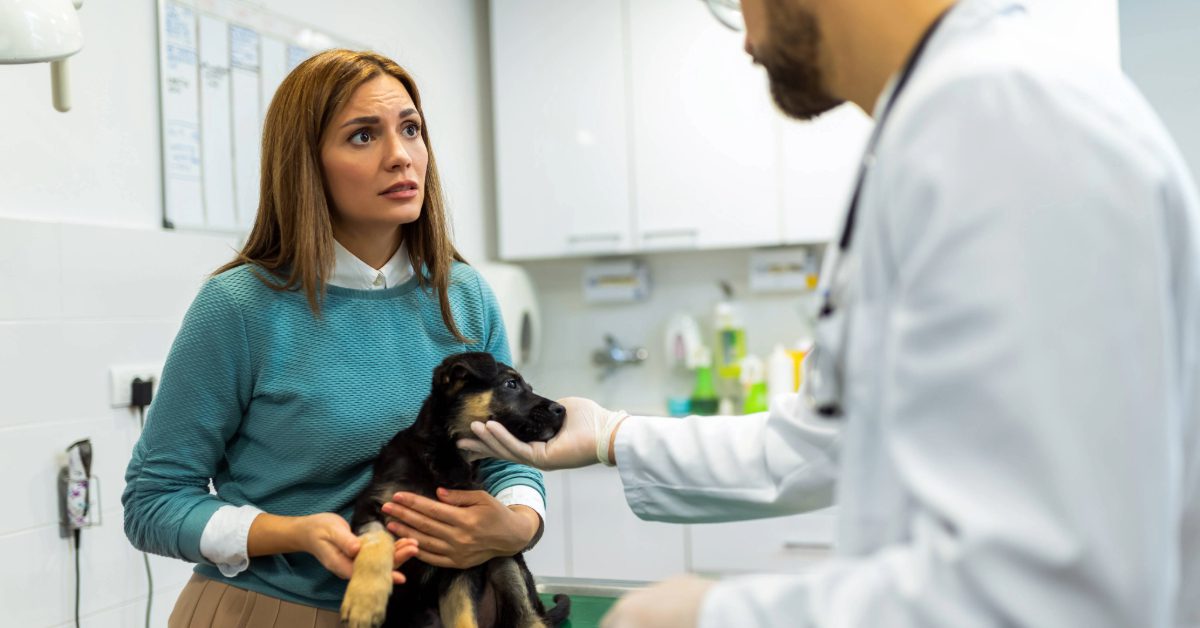
If you bring your dog into Millis Animal Hospital with signs of a possible yeast infection, our veterinary team will perform a thorough physical examination and gather information about your dog’s history, diet, and any recent changes in their environment or medications.
Diagnostic methods may include:
- Cytology — a sample is taken from the affected area (using a swab, tape impression, or skin scraping) and examined under a microscope to identify yeast organisms
- Ear examination — an otoscope and ear cytology can confirm yeast involvement in the ear canal
- Skin culture or biopsy — in complex or recurrent cases, these tests may be recommended
Accurate diagnosis also means identifying whether a secondary bacterial infection is present alongside the yeast, which is common and requires a different treatment approach.
How Are Yeast Infections Treated in Dogs?
Yeast infection treatment in dogs depends on the location and severity of the infection, as well as any underlying factors driving the overgrowth.
Treatment Options Your Vet May Recommend
Treatment typically includes one or more of the following:
- Antifungal ear medications for yeast ear infections in dogs. These are applied directly into the ear canal
- Medicated shampoos, sprays, or wipes containing antifungal ingredients for skin involvement
- Oral antifungal medications for widespread, severe, or recurrent infections
- Addressing the underlying cause. If allergies or a hormonal condition is driving the yeast overgrowth, treating that root issue is essential to achieving lasting results
It’s important not to attempt to treat a yeast infection at home without veterinary guidance. Misidentifying the type of infection or using the wrong product can delay effective treatment and allow the infection to worsen. Always consult with your veterinarian at Millis Animal Hospital or another trusted provider before starting any treatment.
Can Yeast Infections in Dogs Come Back?
Unfortunately, yes. Yeast infections can recur, especially when there’s an underlying allergy or chronic health condition that hasn’t been fully addressed. Dogs who experience frequent yeast infections often have an undiagnosed or undertreated trigger that keeps resetting the cycle.
Working with your veterinarian to identify and manage the root cause is the most effective way to reduce the frequency of recurrence. This might mean allergy testing and management, dietary evaluation, or treatment for an underlying endocrine disorder. At Millis Animal Hospital, our team takes a comprehensive approach to recurrent skin conditions. We work to understand the full picture of your dog’s health, not just the immediate symptoms.
Your Dog Deserves Comfortable, Healthy Skin
If you’ve been asking yourself whether dogs can get yeast infections and what to do about it, you now have a solid foundation of knowledge. Yeast infections in dogs are common, uncomfortable, and very treatable, but they do require a proper diagnosis and targeted veterinary care.
Don’t let your dog suffer through persistent itching, odor, and skin irritation. Our team at Millis Animal Hospital in Millis, MA is here to help you get to the bottom of what’s causing your dog’s discomfort and develop an effective treatment plan. Call us at 508-376-5317 or schedule an appointment online today.

Recent Posts
About Us
Millis Animal Hospital is a privately owned AAHA-accredited, Cat-Friendly Certified practice staffed with Fear Free Certified professionals. We know a thing or two about treating pets and their families the way they deserve, with excellent preventive care and surgical services tailored to your individual needs.